

DnD Artisan 2024
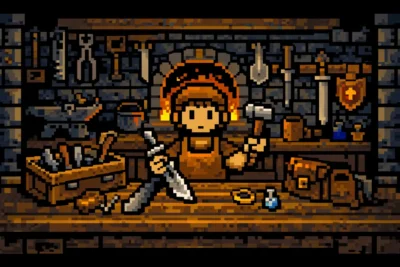
The 2024 DnD Artisan is a craft-focused background built around skill, detail, and practical creativity. This background is perfect for characters who want a grounded origin, strong utility, and a believable reason to be prepared for real-world problems on the road. Below in our guide you’ll find everything you need to know, including a brief introduction, the Artisan’s background components, including ability scores, feat, proficiencies, equipment options, followed by how D&D Artisan interacts with classes and species as part of DnD Character Creation process.
DnD Artisan Background Components
Your working life began at a young age. You cleaned floors, scrubbed counters, hauled supplies, and learned how workshops actually functioned. When you were old enough, you became an apprentice and began producing simple goods of your own.
Over time, you developed a sharp eye for detail, both in materials and in people. You know when something is off. You know when a deal is fair. You know when someone is trying to rush you into a bad decision.
DnD Artisan background does not require mastery or fame. You might have been competent but unknown, skilled but underpaid, or driven away from your trade by circumstance. What remains is a practical mindset. You know how things are built, how they break, and how to fix them with what is available.
That knowledge carries cleanly into adventuring. Broken gear, improvised solutions, and careful preparation all feel familiar to someone who spent years earning coins by the quality of their hands.
Ability Scores
When you choose the DnD Artisan background, you work with the following ability scores: Strength, Dexterity, and Intelligence.
This spread reflects physical labor, fine motor skill, and learned technique developed through years of hands-on work.
Feat
You gain the Crafter feat.
This feat represents professional trade knowledge. You gain additional proficiencies with artisan tools, purchase nonmagical items at reduced cost, and can create simple equipment during a Long Rest. It reflects efficiency, preparation, and knowing how to make things work with limited resources.
Skill Proficiencies
You gain proficiency in Investigation and Persuasion.
These skills represent a trained eye for flaws, materials, and workmanship, along with the ability to manage customers, negotiate prices, and explain value to people who may not understand the craft.
Tool Proficiency
You gain proficiency with one type of Artisan’s Tools of your choice.
This choice defines your original trade. Blacksmiths, potters, cooks, leatherworkers, jewelers, and countless other crafts fit naturally within this background.
Equipment
You choose one of the following options:
- Option A
Artisan’s Tools of your choice
2 pouches
Traveler’s clothes
32 GP - Option B
50 GP
How D&D Artisan Interacts With Classes and Species
The DnD Artisan background favors practical characters and builds that value preparation, gear, and problem solving.
As classes, Fighters, Rangers, and Paladins benefit from the physical ability score options and from the Crafter feat’s utility. Equipment awareness and crafting fit naturally into martial playstyles.
Wizards can benefit from the Intelligence option, especially when the character’s magic is flavored as learned, engineered, or constructed rather than instinctive.
Pure spellcasters who rely heavily on Charisma or Wisdom may find the ability score spread less efficient, though the background still works well for story driven builds.
From a species perspective, Dwarves and Gnomes fit naturally due to cultural associations with craft and industry. Humans adapt easily to any trade and background. Elves often bring a long view of craftsmanship and refinement. Goliaths and Orcs can create strong contrast, emphasizing strength and endurance applied to skilled labor rather than brute force.
DnD background rewards players who enjoy interacting with equipment, planning ahead, and solving problems with tools instead of spells alone.