

Blog
How to Play Dungeons and Dragons – A Beginner’s Guide to D&D

Table of Contents
Your Complete Guide on How to Play Dungeons & Dragons
Ah, greetings, fledgling adventurer! I sense the stirrings of curiosity within you. You seek to uncover the secrets of Dungeons & Dragons, do you not? A wise pursuit indeed! Long thought lost to dusty taverns and dim lit basements, this grand game of imagination and heroism has returned with arcane vigor, summoned into the limelight by champions such as Vin Diesel, Joe Manganiello, Deborah Ann Woll and even the bardic trickster known as Stephen Colbert. But fear not! You needn’t be a famed warrior of the stage to embark on your first quest. Within these scrolls lies all you need to begin: the sacred dice, the crafting of characters, and the guiding hand of the Dungeon Master. Whether you dream of delving into forgotten tombs or charming your way through royal courts, this tome shall light your path. So steel your will, draw your quill and prepare to join the ranks of legends…for your adventure begins now.
What Is Dungeons & Dragons?
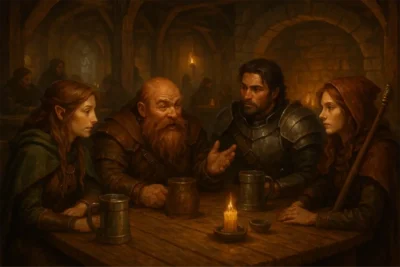
Dungeons & Dragons, oft whispered as D&D in guild halls and arcane circles, is the grandest of tabletop role-playing games. A vessel through which stories are born, battles are waged and friendships forged in fire. Unlike games with rigid boards and pieces, D&D unfolds upon a shared table where minds conjure castles, forests and forgotten gods with naught but words, dice and imagination. Each player assumes the role of a hero or scoundrel, guided by their character sheet and the choices they make, while one among them dons the mantle of the Dungeon Master, the keeper of the world, its dangers, and its delights.
It is a game played with books in hand, dice at the ready and companions close by. Maps may be drawn in chalk or ink, miniatures placed upon grids and rules consulted in worn tomes. The tale is told aloud, the laughter is real, and the clatter of dice upon wood is as sacred as any bard’s song. This is D&D in its truest form: a shared legend, crafted face-to-face across a table, where the only limit is the imagination of those who dare to play.
How To Play Dungeons and Dragons?
What Do You Need to Play D&D?
Before one can set foot upon the road to adventure, one must first gather their tools. Just as no wizard travels without a spell book, nor rogue without a dagger, so too must every aspiring hero prepare for the journey ahead. Fear not, what you need to play Dungeons & Dragons is neither rare nor costly, but each item holds power most profound when brought together at the sacred gaming table. Let us now inspect the instruments of fate…

A Group of Willing Adventurers
First and foremost seek companions, typically four to six including one chosen to bear the mantle of Dungeon Master. This individual shall not play a single hero but rather the world itself, breathing life into non-player characters, spinning plots, and describing the realms you shall explore. The others shall each create a unique character to join the tale.
A Set of Polyhedral Dice
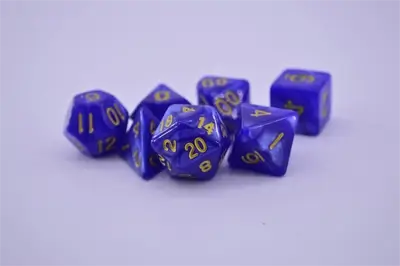
You shall require a set of seven dice: the d4, d6, d8, two d10s (for percentiles), a d12, and the all important d20. These enchanted stones determine fate itself, every strike, spell, and saving throw balanced upon their roll.

The Core Rulebooks
Chief among your tools is the Player’s Handbook, a mighty tome containing the rules of magic, combat, and character creation. For the Dungeon Master, the Dungeon Master’s Guide and Monster Manual serve as grimoires of game running wisdom and creaturely chaos. Though not all are required to begin, the Player’s Handbook is a treasured starting point.

Character Sheets
Each player must record their hero’s abilities, traits, and possessions upon a character sheet. These can be printed, copied from rulebooks or acquired from sages at your local game shop. Keep quills (or pencils) at the ready for mid-game scribblings and adjustments.
Battle Maps and Miniatures (Optional, Yet Glorious)
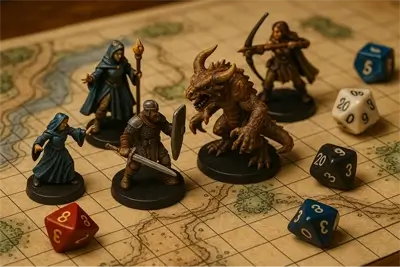
While not required, many adventurers delight in drawing maps or placing miniatures upon gridded battlefields. These visual aids bring structure to combat and can make even the simplest skirmish feel like a grand encounter.

A Table, Snacks and Time
D&D thrives on shared experience. A sturdy table, a few hours free of distraction and the occasional sweet or savory offering can turn any evening into an epic memory.
Creating Your First Character
So, you wish to know how to play Dungeons & Dragons? Then let us begin where all grand tales do… with a hero. Crafting your first character is a ritual both exciting and personal. You shall choose a race (elf, dwarf, halfling, and so on), each with their own gifts and quirks. Next comes your class. Perhaps a sword swinging Fighter, a spell weaving Wizard or a holy Cleric guided by divine purpose. For beginners, simpler classes like Fighter or Rogue often make for an easier path into the unknown.
Your character’s essence is etched into a sheet, where you’ll record six core abilities: Strength, Dexterity, Constitution, Intelligence, Wisdom and Charisma. These scores shape your hero’s talents, from landing a mighty blow to charming a suspicious barkeep. You’ll also choose a background, giving your adventurer depth and a few helpful proficiencies such as stealth, insight or smithing.
Do not despair if the choices seem vast. The Player’s Handbook walks you through each step and many pre-made character sheets await at game shops or within the appendices of starter sets. With parchment filled, dice in hand, and imagination aflame, your character shall take form and your legend shall begin.
What Does the Dungeon Master Do?
Ah, the Dungeon Master, verily, the most vital pillar upon which the world of Dungeons & Dragons stands. To grasp how to play Dungeons & Dragons in truth, one must first understand the DM’s sacred role. This venerable soul is not merely a participant, but the very weaver of realms, the oracle of fate and the voice of gods and goblins alike.
The Dungeon Master conjures the setting, narrates the unfolding tale and embodies every denizen that crosses your path. From noble kings and wrathful dragons to humble innkeepers and conniving thieves. It is the DM who paints the world with words, crafts perilous dungeons beneath the earth and breathes life into enchanted forests above. They present choices, challenges and consequences, shaping the story as it dances between destiny and dice.
But take heed! The DM is no tyrant overlord, nor adversary cloaked in malice. Nay, they are the keeper of balance, the flame that lights the path. Though they may summon danger, they do so not to punish but to elevate. Their magic lies in weaving a tale that all may share, where laughter and sorrow mingle like potions in a bubbling cauldron.
If your heart stirs with the desire to guide others through shadow and wonder, the mantle of Dungeon Master may one day rest upon your shoulders. Until then, sit beside the fire, listen well, and play your part. For the greatest stories are born when all work in harmony under the DM’s watchful eye.
Understanding the Rules (Without Overwhelm)
Worry not, neophyte, for though the rules may seem vast as the multiverse, you need only grasp a few to begin your journey. At the heart of learning how to play Dungeons and Dragons lies a simple truth: describe what you wish to do and let the dice decide the outcome. The Dungeon Master will call for checks, be they ability checks, saving throws, or skill rolls when success is uncertain. You roll a twenty-sided die (d20), add the appropriate modifier and compare the result to a set difficulty. High rolls bring triumph; low ones may bring calamity, or comedy.
In combat, actions unfold in turns. Each round, you may move across the battlefield, strike with steel or spell or assist an ally. Initiative, determined by a d20 roll decides who acts when. Yet not all of D&D lies in battle; much of it blooms in exploration and conversation. Want to sneak past a sleeping ogre? Attempt a Stealth check. Wish to uncover the truth behind a shady merchant’s smile? Roll Insight. The rules are not there to restrain your creativity but to support it.
And remember, the Dungeon Master is not your enemy but your guide. Ask questions. Make mistakes. Laugh often. The rules are a framework, but the story, that wondrous, unpredictable, unforgettable story, is yours to shape.
Tips for Your First Game Session
Ah, the first session. A time of wonder, nerves and many joyous mistakes. Even the most legendary of adventurers once fumbled through their first tavern door. So, if you truly wish to know how to play D&D well, take heed of these humble tips passed down through generations of spell-slingers and sword-swingers alike.
Begin with a One-Shot or Starter Adventure
The realms are vast and full of peril, best to dip thy toe before leaping headlong into a campaign of endless nights. Many turn to The Lost Mine of Phandelver or similar beginner-friendly quests. These short adventures offer a taste of the world without overwhelming fledglings.
Focus on the Fun, Not the Flawless
You shall forget rules, miss turns, and mispronounce “faerûn.” Worry not! The true magic lies not in perfect play, but in shared laughter, unexpected triumphs and tales spun over snacks and scribbled maps.
Embrace the Chaos of Roleplay
Speak as your character, whether with grandiose speeches or awkward mumbles. Pretend! Imagine! Embody! This is not merely a game, it is theater, it is legend, it is memory forged in real time.
Speak Openly with Thy Party
If something confuses you, ask. If something troubles you, say so. The table is a place of trust, not treachery. Good communication is the strongest spell of all.
Gather round, roll your dice with gusto, and remember this, dear novice: no matter what unfolds, your story has begun—and that alone is a triumph.
Best Resources for D&D Beginners
Now that you know how to play Dungeons & Dragons in spirit and form, you may seek further enlightenment. Arcane scrolls, enchanted items and mystical gatherings to sharpen your craft. Fret not, for you needn’t brave the Astral Plane alone. The mortal realm is rich with resources for aspiring adventurers.

The Player’s Handbook
The cornerstone of every hero’s education! This mighty tome contains all you need to create characters, cast spells, swing swords and survive your first goblin ambush. Keep it nearby, well-thumbed and marked with breadcrumbs if needed.

Starter Sets and Adventure Kits
For those yet untested in the fires of full campaigns, starter sets offer wondrous value. They include pre-made characters, condensed rules and an adventure fit for any novice warband. Seek out titles like Dragons of Stormwreck Isle or Lost Mine of Phandelver to begin your legend with confidence.
Local Game Stores and Gatherings
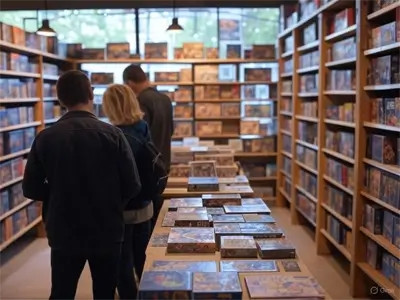
A hidden gem! Many taverns—er, game shops, host weekly sessions for new players. Here you may find companions, mentors and even veteran Dungeon Masters willing to take you under their wing.

Podcasts and Bardic Streams
While we dwell upon the physical game, your ears may still feast upon tales spun by modern bards. Shows like Critical Role and Not Another D&D Podcast offer wondrous inspiration and examples of mighty roleplay (though beware—such feats are not expected of beginners). And the best thing, these modern shows will make it easier for you to understand how to play Dungeons and Dragons.

Printable Aids and Magical Trinkets
Condition rings, character sheets, spell cards, initiative trackers, oh, the paper tools are many and marvelous. Keep thy satchel stocked and thy pencil sharp!
With these resources in hand, you are no longer a mere initiate. You are an equipped adventurer, ready to carve thy tale across the realms.
Common Beginner Questions
How long does a D&D session last?
Ah, time is a peculiar thing in the realms of imagination! Most gatherings last between 2 and 4 hours, though some stretch longer, especially when the ale flows and the dice roll freely.
Do I need to buy all the books to play?
Not at all, young scribe. One Player’s Handbook is often sufficient for an entire party of adventurers. Many begin with a starter set, complete with simplified rules, pre-made characters, and an adventure ripe for discovery.
How many people do you need to play D&D?
The classic adventuring party consists of 4 to 6 players, including one brave soul to serve as the Dungeon Master. This balance provides a rich blend of talents and voices, but fear not if your numbers differ.
Can you play D&D with 2 players?
Indeed, you can! With one player and one Dungeon Master, tales may still be spun, more personal, more intimate, like a duet of danger and destiny. Adjust the encounters, lean into roleplay, and you shall find magic even in a party of two.
Can I play online?
While this grimoire favors the flicker of candlelight and the warmth of a shared table, know that digital tools exist for far flung companions. Yet there is something unmatched about the scent of paper, the clink of dice, and the camaraderie of in-person play.
Is it hard to learn how to play Dungeons & Dragons?
Fear not, for no one begins their journey as a master. The rules unfold naturally, guided by your DM and fellow players. All you need is curiosity, a willingness to pretend, and a bit of courage to roll the dice.
Conclusion
And so, the circle closes, dear fledgling, but your journey has only just begun. You now know the sacred rites of how to play Dungeons & Dragons, from crafting your first hero to braving your first dungeon. The rules are but scaffolding; the dice, a tool of fate. It is you, your choices, your courage, your imagination that breathes life into this game and transforms it into something wondrous.
Whether you gather in a grand dining hall or around a rickety tavern table, remember this: D&D is not about perfection. It is about laughter over spilled drinks, unexpected heroism and tales told long after the night is done. Mistakes will be made. Dragons will be misunderstood. But bonds shall be forged in the fires of shared story, and that, young adventurer, is magic more powerful than any spell in my grimoire.
So gather your friends, summon your courage, and roll your first d20. The world awaits, and it is yours to shape!